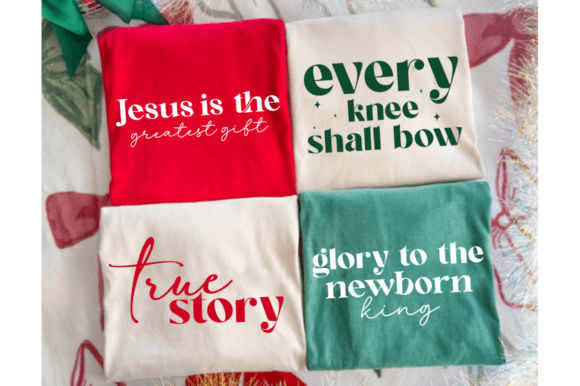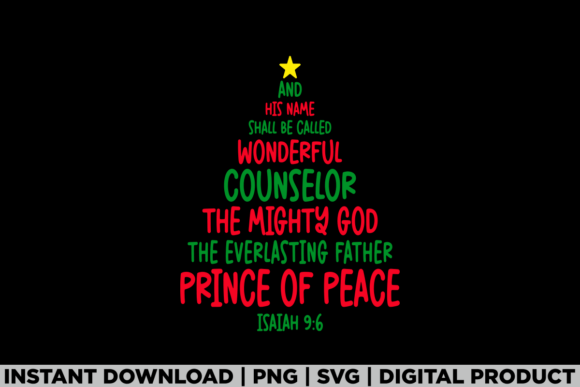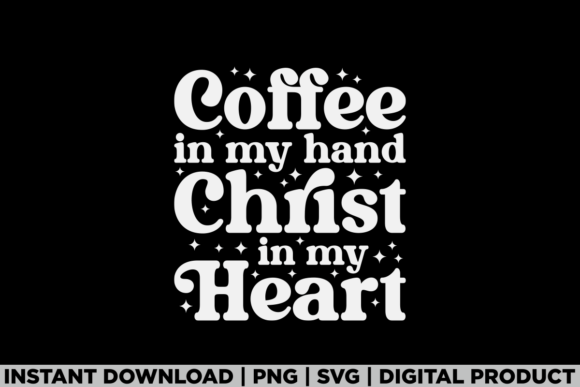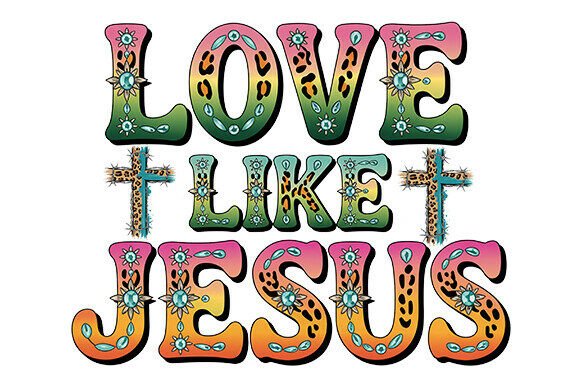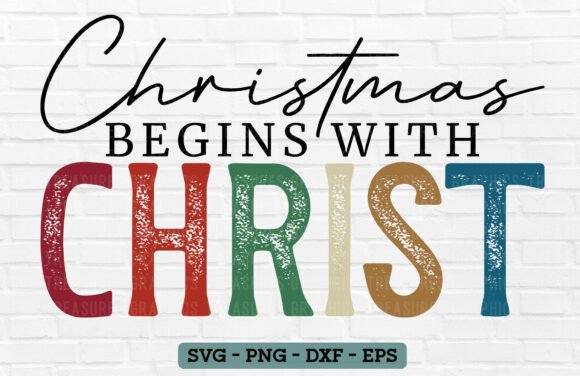
Christian Christmas SVG PNG Jesus
A Designer’s First Glance: Clean, Reverent, and Ready for Stitching
When I opened Christian Christmas SVG PNG Jesus, what struck me first wasn’t just the subject—it was the quiet confidence in its composition. No cluttered halos, no overwrought ornamentation. Just a centered, gently stylized figure with soft contours and balanced negative space—ideal for embroidery where clarity trumps complexity. As a designer who’s stitched hundreds of faith-based motifs, I appreciate how this design avoids visual noise while still carrying warmth and intention. It reads as both timeless and contemporary—exactly what small shop owners and Etsy sellers need when curating holiday collections that feel personal, not mass-produced.
How It Performs on Real Embroidery Projects
I tested Christian Christmas SVG PNG Jesus on three real-world items: a medium-weight cotton tote bag, a brushed cotton baby onesie, and a midweight fleece sweatshirt. On the tote, it stitched cleanly at 4.5" wide—no puckering, no thread breaks. The satin stitch outlines held crisp definition, and the fill stitch areas remained breathable, not stiff. On the onesie, I used lightweight tear-away stabilizer and reduced density slightly; the result was tender, wearable reverence—not stiff or overwhelming for delicate skin. And on the sweatshirt? With cutaway backing and a slow-stitch setting, the design retained shape and legibility even across the fabric’s subtle nap.
This isn’t just a t-shirt design repurposed for embroidery—it behaves like a thoughtful machine embroidery design from the start. The curves are smooth enough for consistent needle travel, corners aren’t overly sharp (reducing thread stress), and there’s generous spacing between elements—critical when stitching on textured fabrics like tea towels or linen pillow covers. For boutique branding or holiday gift lines, that consistency builds trust: customers recognize quality craftsmanship, not just a printed graphic.
Where to Use It—and Where to Pause
Christian Christmas SVG PNG Jesus shines on stable, flat surfaces: aprons, kitchen towels, blanket corners, nursery wall hangings, and embroidered patches meant for jackets or backpacks. It also works beautifully on structured caps—but only if you’re using a cap frame and adjusting tension carefully. Curved surfaces demand respect: test hoop placement and consider simplifying minor interior details if your machine struggles with tight turns.
Proceed thoughtfully on stretchy knits (like ribbed baby caps) or ultra-thin fabrics (such as voile or lightweight rayon). These require extra stabilization—and possibly slight digitizing tweaks if you’re adapting the file yourself. Dark fabrics? Absolutely fine—just verify thread color contrast in your mockup first. I ran black-on-charcoal and white-on-navy versions side by side; both read clearly, but the white version needed one extra layer of stabilizer to prevent shadowing.
Don’t assume it’s automatic for tiny hoops. If you’re embroidering on toddler socks or wristlet tags, scale down only after checking stitch density—you don’t want a beautiful design collapsing into unreadable fuzz. And avoid dense decorative accents (like heavy metallic thread overlays) unless you’ve confirmed the base file has clean underlay and proper jump stitch management.
What It Adds to Your Handmade Product—and Your Brand
As an embroidery product reviewer, I look beyond “does it stitch?” to “does it *resonate*?” Christian Christmas SVG PNG Jesus elevates handmade presentation because it doesn’t shout—it invites. That matters for personalized gifts: grandparents ordering a custom pillow cover for their grandchild’s first Christmas respond differently to quiet dignity than to busy, cartoonish imagery. It supports brand consistency for craft businesses that position themselves as thoughtful, not trendy—think curated Etsy shops, church bazaars, or small-town gift boutiques.
Customer trust builds when embroidery feels intentional, not slapped on. This design delivers that. Its proportions allow room for breathing space around the motif—no awkward crowding on sweatshirt chests or tote centers. And because it avoids tiny lettering or micro-details, it scales well across product types without losing recognition. That’s vital for digital product sellers offering printable mockups or layered embroidery kits: buyers see coherence, not compromise.
Practical Notes Every Embroidery Designer Should Check
- Always test on scrap fabric first—especially if switching between cotton, fleece, or blends.
- Review stitch density before running full production. High-density fills may overwhelm lightweight fabrics.
- Confirm hoop size compatibility. Some versions of this design may include multiple sizes—verify which fits your standard hoop before digitizing adjustments.
- Inspect small details like hands or facial contours in your embroidery software. Are they defined enough for your thread weight and fabric?
- Test black-and-white mockups to assess contrast and silhouette strength—this reveals whether the design holds up in monochrome branding or minimalist packaging.
- Compare light and dark fabric backgrounds in your design preview. Does the motif retain balance, or does it disappear into shadows?
- Use proper stabilizer: cutaway for knits, tear-away for stable wovens, and fusible for layered applique projects.
- Check licensing terms before selling finished items or reselling the digital embroidery file. The listing says “instant download” and “wide range of creative projects,” but commercial use rights vary—confirm before listing on Etsy or wholesale platforms.
Final Thought: A Quiet Anchor for Holiday-Making
Christian Christmas SVG PNG Jesus isn’t flashy—but then, it’s not meant to be. It’s the kind of embroidery file that supports meaning, not just decoration. Whether you’re stitching a keepsake for a newborn, building a line of small shop merchandise, or creating custom apparel for a church fundraiser, this design earns its place by being reliable, respectful, and quietly refined. It reminds us that in embroidery—as in faith—the most powerful statements often live in restraint, precision, and care. That’s why it belongs in your working library of design assets, not just your seasonal folder.