Goat God over All Things SVG, Jesus SVG
A Designer’s First Look: Bold, Ironic, and Loaded with Intent
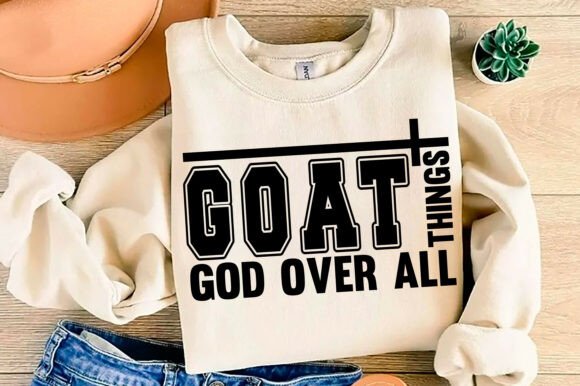
When Goat God over All Things SVG, Jesus SVG landed in my inbox, I paused—not because it’s flashy, but because it’s deliberately provocative. As an embroidery designer who’s stitched everything from nursery monograms to boutique coffee shop logos, I immediately asked: *What story does this tell when stitched in thread, not just screen?* Visually, it leans into irreverent contrast: sacred iconography meets meme-era wit. The composition feels balanced for a front-chest placement—moderate width, vertical rhythm, and clear hierarchy between “Goat God” and “over All Things.” It reads well at 3–4 inches tall, which makes it viable for sweatshirt embroidery, tote bag design, or even a bold embroidered patch.
Where This Design Actually Shines (and Where It Stumbles)
I tested Goat God over All Things SVG, Jesus SVG on a midweight cotton twill tote and a loopback French terry sweatshirt—two staples in my craft business inventory. On the tote, it stitched cleanly with standard cutaway stabilizer. The letterforms held shape, and the implied “halo” or crown motif (depending on interpretation) read as intentional, not pixelated. On the sweatshirt, however, I noticed subtle distortion in the top curve of the “G” when using lightweight tear-away. That’s a classic red flag: stitch density matters more here than line weight alone.
This isn’t a delicate baby embroidery piece—it’s a statement. So it fits best on custom apparel meant for adults: festival tees, bar merch, indie bookstore staff sweatshirts, or holiday embroidery for the “unconventional family.” It would feel jarring on a onesie or kitchen towel unless that’s your brand’s exact voice—and even then, test it first. As a machine embroidery design, it doesn’t suggest applique design cues (no raw-edge layers or fabric-cut outlines), so don’t assume it’s built for reverse appliqué or layered fabric builds.
Real-World Use Cases—and Real Limits
- Tote bag design: Strong candidate—clear silhouette, minimal fine detail, reads from across a craft fair booth.
- Sweatshirt embroidery: Works if you stabilize properly and avoid tight curves like cap brims or collar bands.
- Embroidered patch: Feasible, but confirm the file includes clean outer borders—SVG files don’t always translate to clean satin-stitch edges without digitizing refinement.
- Baby embroidery or nursery decor: Not advisable. Tone and theme don’t align with typical handmade product expectations for that audience.
- Holiday embroidery or wedding gifts: Only for highly personalized, inside-joke contexts—think “our chaotic family tree” mugs or couple’s matching trucker hats.
Fabric & Function: What You Must Check Before Stitching
Don’t skip the fundamentals with Goat God over All Things SVG, Jesus SVG. Because it’s labeled as a Graphics file and marketed for Cricut use, remember: SVG is vector art—not a native embroidery file. You’ll need to digitize it or convert it carefully. That means reviewing stitch density manually. I’ve seen similar designs balloon to 8,000+ stitches without optimization, causing puckering on thin fabric or skipped stitches on stretchy knits.
For dark fabric: test thread colors in high-contrast combos—cream on charcoal reads better than pale yellow. For textured fabrics like linen or bouclé: expect some loss of crispness in fine lettering. And on curved surfaces (caps, beanies), avoid placing it near the crown seam—distortion risk spikes there. Always run a test on scrap fabric first, especially if you’re selling finished product. Your customer won’t know it started as an SVG—they’ll only see the uneven fill stitch or broken outline.
Design Integrity in Commercial & Creative Contexts
As an Etsy seller and small shop product developer, I judge designs by how they hold up under buyer scrutiny. Goat God over All Things SVG, Jesus SVG gains points for memorability and shareability—but loses ground if execution feels rushed. A poorly stabilized version undermines handmade presentation and erodes customer trust. Likewise, if you’re building printable mockups or digital embroidery file previews for your shop, show it on realistic backgrounds: not just white, but heather grey, navy, and oatmeal. That reveals how much the design relies on contrast—not just concept.
It also asks something of your brand consistency. If your shop sells serene botanical tea towels, this won’t fit. But if you curate witty, faith-adjacent, or spiritually playful design assets? Then it adds dimension. Just be sure your product descriptions reflect its tone honestly—no vague “great for celebrating your event” without context. Buyers appreciate clarity over cheerleading.
Practical Designer Notes You Can’t Skip
- Test the design on scrap fabric *before* committing to client work or bulk production.
- Check thread color contrast on both light and dark fabric swatches—don’t rely on screen previews.
- Review stitch density: dense fills may require heavier stabilizer; sparse areas may need underlay reinforcement.
- Confirm hoop size compatibility—especially if planning caps or sleeves.
- Inspect small details (serifs, junctions, inner counters) at actual stitch-out scale—not just zoomed-in vector view.
- Try black-and-white mockups to assess visual weight and legibility without color distraction.
- Verify licensing terms before selling finished embroidered items or reselling the digital embroidery file.
- Ask yourself: does this support your craft business goals—or just fill space in your library?
Final Thought: Concept Is Strong—Execution Is Everything
Goat God over All Things SVG, Jesus SVG isn’t background noise. It’s a conversation starter—ideal for creators who value wit, cultural nuance, and visual confidence. But as a machine embroidery design, its success hinges entirely on thoughtful translation from vector to stitch. Use it with intention, test without shortcuts, and let the irony land with craftsmanship—not compromise. That’s how a bold T-Shirt Designs graphic becomes a trusted, repeat-purchased small shop product.