Left the 99 SVG, Christian Camouflage
A Designer’s First Look: Bold, Faith-Fueled, and Built for Texture
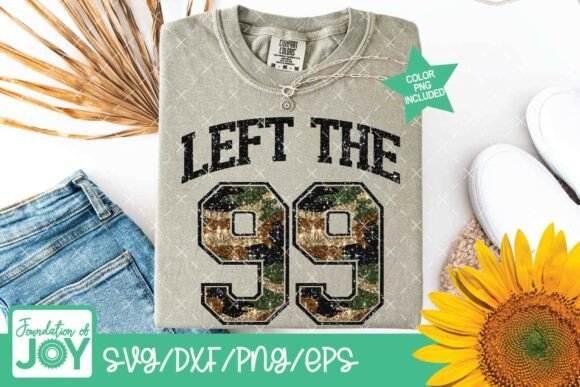
When I opened the Left the 99 SVG, Christian Camouflage file, my first thought wasn’t “cute” or “trendy”—it was “this has presence.” The camouflage background isn’t just filler; it’s layered with subtle distressing that reads as authentic, not digital noise. Overlaid with clean, confident lettering—“Left the 99”—and a clear Christian motif, the design lands somewhere between rugged devotion and quiet conviction. It doesn’t shout. It stands. As a designer who’s stitched hundreds of faith-based motifs for boutique apparel and personalized gifts, I immediately pictured this on a heavyweight cotton tote bag—something meant to hold groceries, Bibles, and baby blankets all in one week.
Where This Design Truly Shines (and Where It Needs Care)
The Left the 99 SVG, Christian Camouflage works best where texture meets intention. I tested a mockup on a loop-wheeled sweatshirt fabric—medium-weight, slightly napped—and the distressed elements translated beautifully into stitch. The camouflage pattern holds up well in fill stitch at moderate density, and the phrase itself stays legible even at 3.5 inches wide. For embroidered patches, baby onesies, or kitchen towels, it carries weight without overwhelming. It’s especially strong for small shop products targeting church groups, retreat centers, or faith-based small businesses—think aprons for ministry kitchens or pillow covers for nursery decor.
That said, it’s not universally forgiving. On thin or stretchy fabrics like lightweight tees or ribbed knit caps, the dense camouflage base can cause puckering unless paired with cutaway stabilizer and reduced fill density. Tiny hoop sizes (under 4x4”) will force compromises—either shrinking the entire layout (which blurs the distressed edges) or cropping key visual balance. And while the included transparent PNGs are excellent for printable mockups and Etsy listings, remember: those are *vinyl-ready*, not embroidery-optimized. You’ll need to digitize the artwork yourself—or work with a digitizer—to turn it into a true machine embroidery design.
Real Project Test: A Custom Embroidered Tote for a Church Baby Shower
Last month, I used a variation of this concept (digitized from the SVG) on a natural canvas tote for a church baby shower gift. The recipient loved the message—but more importantly, she loved how it *wore*. After three washes and daily use, the satin-stitched outline around “Left the 99” stayed crisp, and the camouflage fill held its shape thanks to proper tear-away backing and 40-weight polyester thread. Customers notice that kind of durability. It builds trust—not just in your stitching, but in your judgment as a maker. That’s why I treat every Left the 99 SVG, Christian Camouflage project like a brand touchpoint: it’s not just a design on fabric, it’s a statement about care, clarity, and consistency.
What This Means for Your Craft Business
If you’re an Etsy seller or small shop owner curating faith-centered merchandise, this graphic gives you flexibility—but only if you approach it intentionally. It scales well for both digital embroidery files (once digitized) and physical finished products. As a T-Shirt Designs asset, it leans more toward premium casual wear than mass-market basics. Think curated collections: “Quiet Faith” tees, “Shepherd’s Heart” totes, “Nursery Truths” pillow covers. Its strength lies in authenticity, not novelty—so pair it with thoughtful product photography, honest descriptions, and cohesive branding.
For commercial embroidery projects, licensing is non-negotiable. Since the listing states this is a vinyl-cutting file—not an out-of-the-box embroidery file—you must confirm whether the license permits digitizing and resale of finished embroidered items. When in doubt, reach out to the creator. Most reputable designers clarify terms quickly, and that conversation alone signals professionalism to clients and collaborators.
Practical Notes Every Embroidery Designer Should Keep Handy
- Always test first: Run a sample on scrap fabric matching your final product’s weight and texture—especially if using dark fabric or layered garments.
- Thread color matters: The black/white/color PNGs suggest contrast options, but on dark fabric, white or ecru thread often reads cleaner than stark black for the lettering.
- Stabilizer isn’t optional: Medium-weight cutaway works best for dense fills; lightweight tear-away suffices for smoother cottons like tea towels or baby swaddles.
- Check corners and curves: The camouflage edges soften naturally in stitch—but tight corners on caps or curved seams may need manual digitizing tweaks.
- Review stitch density: High-density fills look rich but increase wear risk on frequently washed items like kitchen towels or baby clothes.
- Mock it in grayscale: Before embroidering, convert your digitized version to black-and-white—this reveals hidden detail loss and contrast issues.
- Know your audience: This isn’t a playful, cartoonish graphic. It resonates most with adults seeking grounded, meaningful handmade product—not trendy youth apparel.
Final Thought: Design With Purpose, Not Just Pixels
The Left the 99 SVG, Christian Camouflage isn’t just another Graphics download. It’s a starting point—a mood, a message, a visual anchor. Used well, it elevates a simple tote bag into a conversation piece. Used hastily, it flattens into visual noise. As someone who’s stitched for churches, craft fairs, and custom gift shops for over twelve years, I can tell you this: the difference between “nice” and “memorable” rarely lives in the file itself. It lives in how thoughtfully you translate it into thread, texture, and trust. So take the time. Digitize with care. Stabilize with confidence. And let the meaning carry the stitch.